
Smart Film Utah
Griffith Tinting
Vue Smart Film
Frequently Asked Questions About Smart Film
Smart Film is a switchable privacy film that can be applied to glass surfaces. It uses PDLC (Polymer Dispersed Liquid Crystal) technology to change from transparent to frosted when electricity is applied or removed.
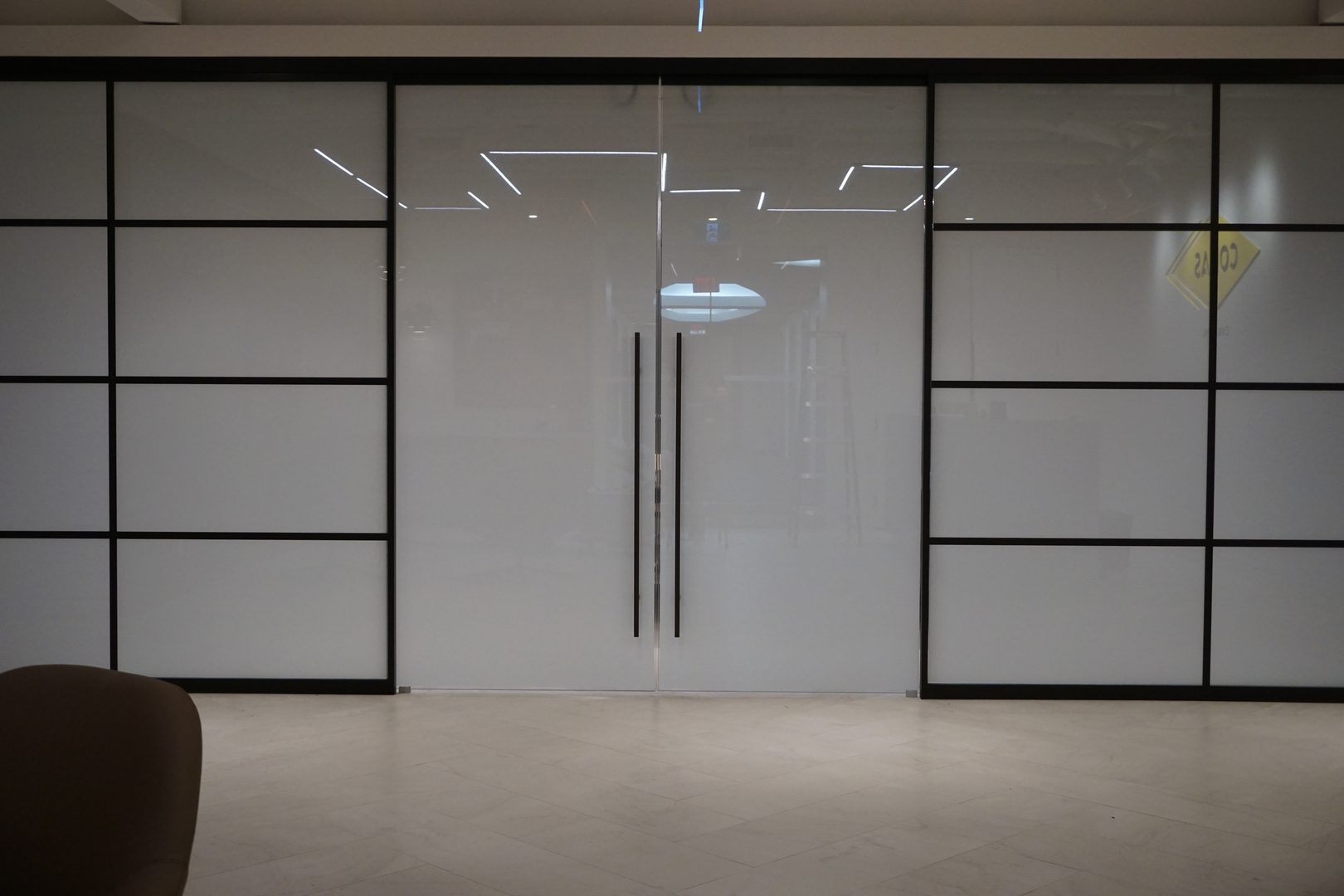
Smart Film works by aligning microscopic liquid crystal particles when electricity flows through the film. When aligned, light passes through the glass and it appears clear. When the power is off, the crystals scatter light, making the glass appear frosted.
PDLC stands for Polymer Dispersed Liquid Crystal. It is the technology used in Smart Film that allows the glass to switch between clear and opaque states.
Most Smart Film systems switch between clear and frosted states in less than one second.
Yes. One of the biggest advantages of Smart Film is that it can be applied directly to existing glass surfaces, making it ideal for renovations and retrofits.
Smart Film is applied to existing glass, while Smart Glass is manufactured with switchable technology built directly inside the glass panels.
Smart Film can help reduce glare and solar heat gain, which may improve indoor comfort and contribute to energy efficiency in buildings.
Many Smart Film products block a significant percentage of harmful UV rays, helping protect furniture, flooring, and interiors from fading.
Smart Film does not block light completely. In privacy mode, it diffuses light while preventing clear visibility through the glass.
Yes. Smart Film is commonly installed on bathroom windows, shower enclosures, and glass partitions to provide instant privacy. There are special steps that are to be taken for these type of installations.
Yes. Smart Film operates on low voltage power and is designed to be safe for residential installations when installed correctly.
Smart Film can be controlled using wall switches, remote controls, smartphone apps, voice assistants, or smart home automation systems.
Yes. Many Smart Film systems integrate with smart home platforms and automation controls.
When the power is off, Smart Film typically defaults to its opaque or frosted state, providing privacy.
High-quality Smart Film products can last many years when installed properly and used within recommended operating conditions.
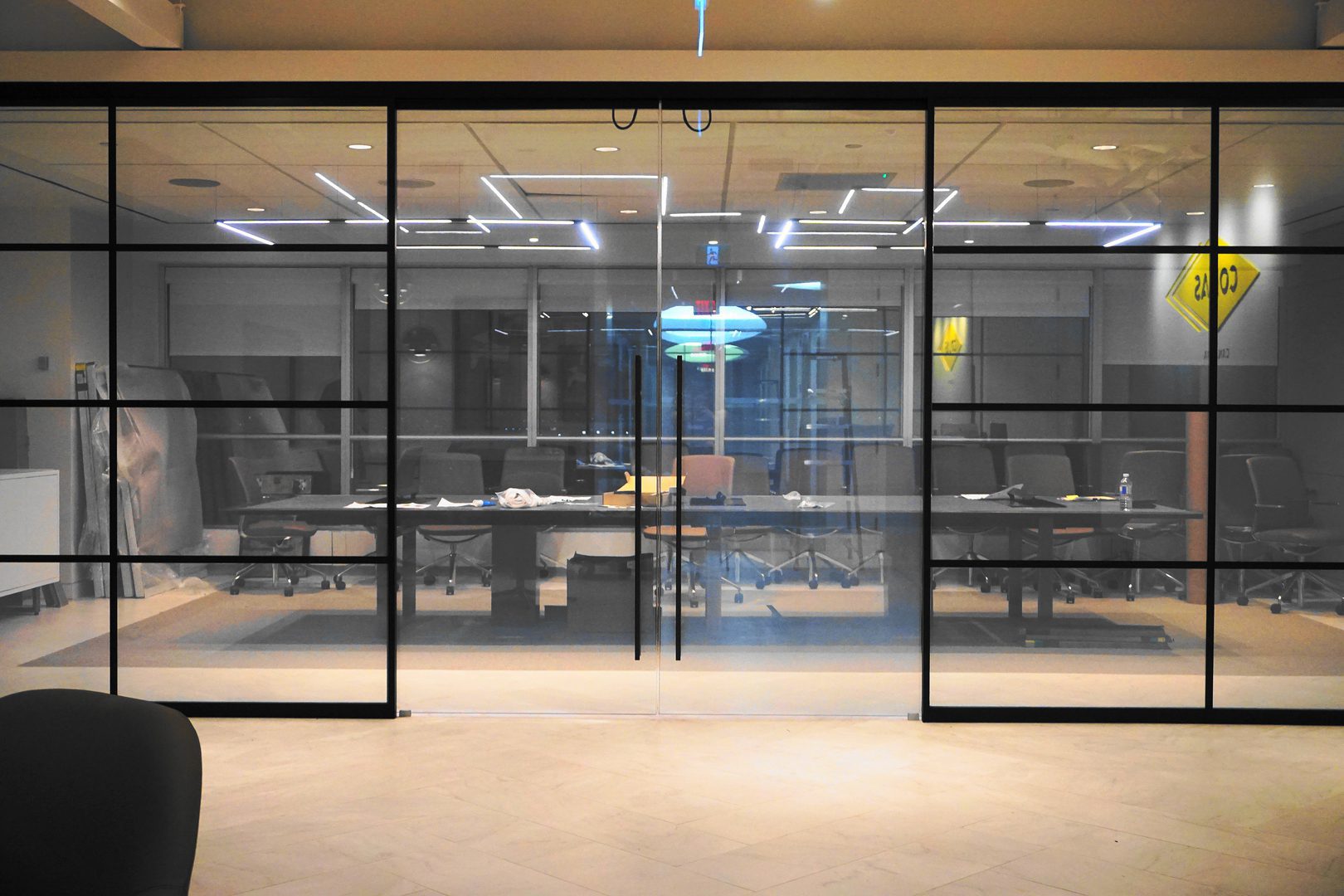
Yes. Smart Film is widely used in offices for boardrooms, conference rooms, glass partitions, and executive offices.
Yes. Smart Film is used in hotels, medical clinics, retail stores, airports, and many other commercial environments.
Yes. Smart Film can be installed on large architectural glass panels, window walls, and storefront glass.
Many Smart Film products are designed to be moisture-resistant, making them suitable for bathrooms and other humid environments when installed properly.
Yes. When the film is in its frosted state, it can function as a rear projection screen for presentations or displays.
Smart Film requires minimal maintenance and can usually be cleaned with standard glass cleaning methods.
Yes. Smart Film can help reduce glare from sunlight when in privacy mode.
Most Smart Film systems operate on low voltage power supplied through a transformer.
Some Smart Film products can be installed on curved glass surfaces, depending on the specific material and application.
Yes. Smart Film can be cut and customized to fit a wide range of window shapes and glass sizes.
Yes. Architects and designers increasingly use Smart Film in modern buildings to maintain clean aesthetics while providing privacy.
Yes. Smart Film is often used in hospitals and clinics for patient privacy in treatment rooms and examination areas.
Smart Film can contribute to sustainable building design by reducing the need for blinds and improving natural light usage.
Yes. In many cases Smart Film can be removed from glass surfaces if necessary.
When powered on, Smart Film remains highly transparent and maintains clear visibility through the glass.
Yes. Smart Film is commonly installed on skylights to control sunlight and provide adjustable shading.
Smart Film provides a small insulation barrier when applied to glass.
Yes. Retail stores use Smart Film for storefront displays, privacy partitions, and advertising projection surfaces.
Smart building technologies like Smart Film can add modern appeal and functionality to homes and commercial spaces.
Yes. Smart Film can be connected to automation systems that allow it to operate on schedules or triggers.
The cost of Smart Film varies depending on the size of the installation, the type of film, and installation complexity.
Yes. Smart Film is often used as a modern alternative to traditional window coverings.
Yes. Hotels frequently install Smart Film in guest room bathrooms and glass partitions to provide adjustable privacy.
Smart Film allows natural light to pass through even in privacy mode, while diffusing the light for comfort.
Smart Film is growing in popularity because it combines modern design, instant privacy, energy efficiency, and smart technology.